Dedicated Tenant Rights Law Firm San Francisco Advocating for Tenant Protections
Protect Your Rights With a Top Wrongful Eviction Attorney
Navigating the challenges of improper eviction can be daunting. A lot of people may not fully understand their legal protections or the binding duties of their landlords. A experienced wrongful eviction attorney can deliver essential support and assistance in these situations. They can elucidate the nuances of resident safeguards and landlord responsibilities. Grasping how to secure effective representation is critical. The next steps could greatly shape one's housing stability and legal standing. What should one examine when pursuing legal representation?
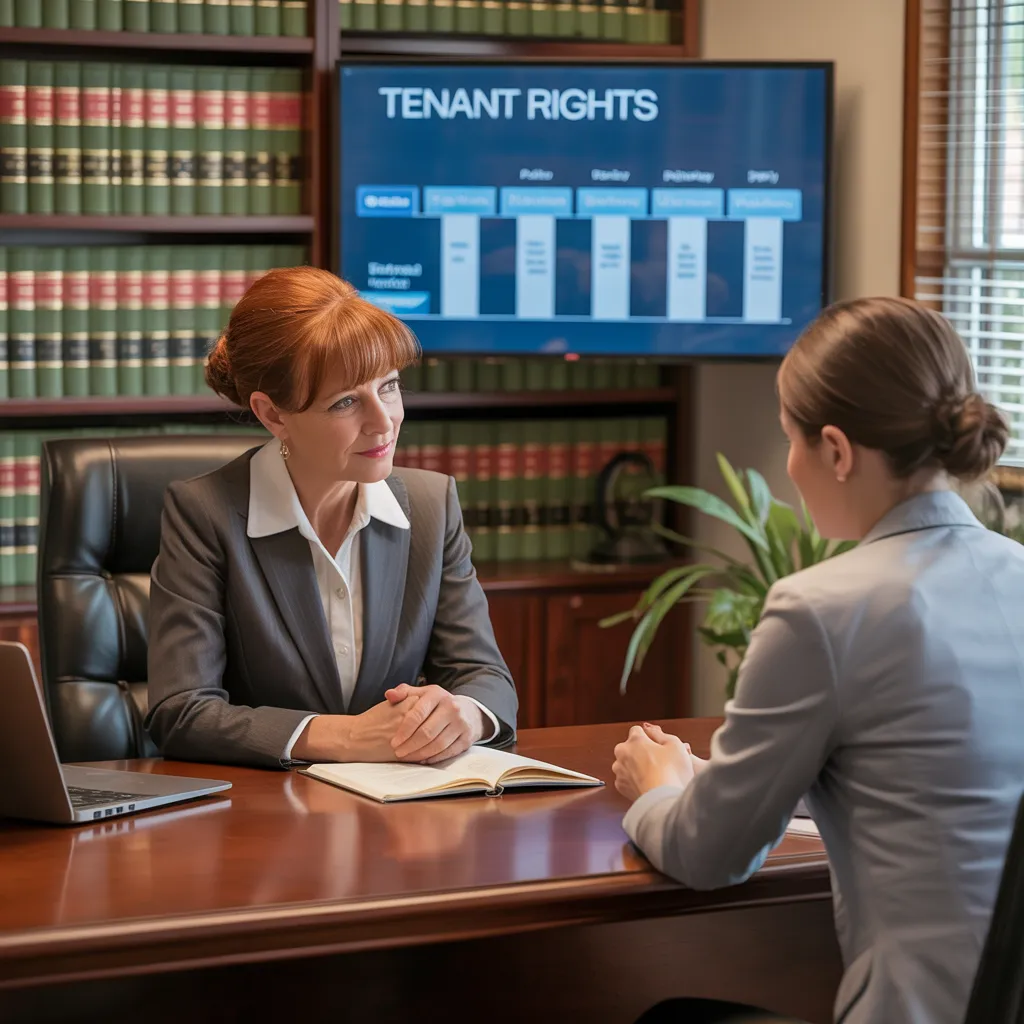
What You Must to Know About Wrongful Removal
What makes up wrongful eviction? Wrongful eviction happens when a landlord unlawfully removes a tenant from a rental property, breaching established laws or lease agreements. This can include situations where the landlord neglects proper legal procedures, such as providing adequate notice or securing a court order before eviction. Additionally, wrongful eviction may result from discriminatory conduct, harassment, or retaliation against tenants exercising their legal rights.
Tenants may also face wrongful eviction if they are evicted without valid reason, particularly in jurisdictions that offer safeguards against such actions. Understanding tenant protections in your area and landlord obligations is crucial for both parties. Legal options exist for tenants who think they have been illegally removed, including submitting grievances or seeking compensation. Engaging a skilled wrongful eviction lawyer can assist tenants manage these complexities and safeguard their protections successfully.
Clues You Possibly Are Going through Wrongful Eviction
Recognizing the signals of likely wrongful eviction can help tenants to take proactive steps to safeguard their rights. One clear warning is receiving a notice to vacate without a valid reason or prior communication. Moreover, if a landlord threatens eviction without adhering to legal procedures, this might indicate wrongful eviction. Tenants should also be vigilant about sudden rent hikes, especially when combined with eviction threats, since this could serve as an intimidation tactic.
A warning sign is if the landlord neglects the property, thus establishing an unsafe living environment, which can lead to retaliation against tenants who complain. Moreover, unexpected changes in lease terms or refusal to renew a lease without justification can also suggest wrongful eviction. Recognizing these signs is vital for tenants to safeguard their housing stability and obtain appropriate legal counsel if needed.
The Manner a Premier Attorney Can Support With Wrongful Eviction Claims
A leading attorney provides priceless legal expertise to cases of illegal tenant removal, guaranteeing that renters comprehend their rights. They skillfully navigate intricate laws that often complicate eviction processes, providing clarity and direction. By establishing strong legal strategies, these professionals can effectively fight for their customers and pursue fair outcomes.
Legal Knowledge Is Important Most
While navigating the difficulties of a wrongful eviction can be challenging, the proficiency of a top lawyer can significantly influence the outcome. Skilled attorneys offer a wealth of understanding regarding renter protections and property manager obligations, confirming that clients understand their legal standing. They can evaluate case specifics, uncover potential violations, and craft powerful arguments to support the tenant's position. In addition, a practiced attorney is capable at bargaining with landlords or their representatives, commonly achieving favorable settlements without the need for prolonged litigation. In court, their experience can be invaluable, as they know how to submit evidence convincingly and challenge opposing claims. In the end, having a top wrongful eviction attorney can be the difference between a successful resolution and prolonged distress.
Navigating Intricate Regulations
Navigating through the intricate landscape of housing regulations can burden many tenants encountering wrongful eviction. These regulations, often dense and convoluted, vary greatly by jurisdiction, making it difficult for individuals to comprehend their rights and obligations. A top wrongful eviction attorney possesses the expertise needed to interpret these laws effectively. They can identify violations that may have occurred during the eviction process, ensuring that tenants are aware of their legal standing. Additionally, an experienced lawyer can guide tenants through the necessary documentation and procedures required to challenge an eviction. This support not only strengthens tenants but also enhances their chances of a positive result in their legal battles, providing essential full details protection against unjust housing practices.
Developing Powerful Law Strategies
Building strong legal strategies is crucial for tenants facing wrongful eviction, and a experienced attorney plays a key role in this process. A knowledgeable attorney assesses the details of the case, pinpointing any violations of renter protections or breaches of lease terms. They collect evidence, such as rental contracts and correspondence files, to build a persuasive case. Additionally, a attorney can effectively navigate local laws and regulations, guaranteeing that all legal protocols are observed. They also offer advocacy in settlement discussions or litigation, advocating for the renter's needs. By crafting a tailored legal strategy, the legal representative enhances the likelihood of a positive result, in the end protecting the tenant's rights and ensuring their residential security.
Learning About Improper Eviction Court Cases
The unlawful eviction legal process requires comprehending the particular legal reasons that can justify eviction and the procedural steps that must be followed. Tenants dealing with eviction need to be conscious of their protections and the legal safeguards available to them. Maneuvering through this process successfully requires knowledge of both the regulations governing eviction and the necessary actions to challenge an unlawful removal.
Legal Grounds for Eviction
Although eviction may be a necessary legal measure for landlords, it is important for both tenants and property owners to understand the grounds for wrongful eviction. Wrongful eviction often happens when a landlord tries to remove a tenant without legal justification. Typical legal grounds for eviction include failure to pay rent, breaking lease terms, or involvement in illegal activities on the property. Nonetheless, landlords must follow certain legal steps to end a lease, including giving proper notice. Evictions motivated by discrimination or retaliation against tenants for exercising their rights also constitute wrongful eviction. Being aware of these legal grounds helps protect tenants' rights and ensures landlords comply with lawful procedures throughout the eviction process.
Steps in the Process
Navigating the wrongful eviction legal process involves several critical steps that both residents and lessors must understand. To begin, tenants should document all relevant interactions and lease agreements, establishing a clear sequence of events of events. They may then present a petition in the appropriate court, outlining the causes for objecting to the eviction. After that, both parties will attend a court session where proof and testimonies are disclosed. After the ruling, if the tenant prevails, they may request damages for costs incurred. Conversely, landlords can lodge an appeal if they believe the decision was unjust. Throughout this process, engaging a skilled wrongful eviction attorney can furnish essential counsel, ensuring that rights are defended and legal obligations are met effectively.
Elements for Picking the Best Wrongful Eviction Attorney
How might someone identify the most suitable wrongful eviction attorney? First, prospective clients must consider the attorney's experience and specialization in landlord-tenant law. A established record in handling wrongful eviction cases can indicate a deeper understanding of relevant laws and procedures.
Next, requesting recommendations or reviewing client testimonials can offer understanding into the attorney's standing and success rate. Communication skills are also essential; the attorney should be approachable, attentive, and able to explain complex legal concepts plainly.
Moreover, examining the attorney's payment terms guarantees that help remains budget-friendly and honest. A quality attorney should provide a thorough explanation of costs and potential outcomes.
Finally, an initial consultation can help gauge compatibility and trust, which are vital for a cooperative legal partnership. By evaluating these factors, individuals can take educated steps when choosing the most suitable wrongful eviction lawyer for their needs.
Why Moving Fast Matters in Unlawful Eviction
Moving quickly in wrongful eviction situations is indispensable for defending your protections and obtaining favorable results. Waiting to take action can result in the loss of key proof and eyewitness testimony, which are essential for developing a strong legal case. Moreover, court-imposed deadlines, such as limitation periods, may limit the available time to submit a claim.
Consulting a wrongful eviction attorney promptly provides an individual the most options, such as negotiations or initiating an court order to cease the eviction process. Quick measures also demonstrates to judicial bodies and landlords that the tenant is serious about upholding their legal rights.
Furthermore, swift interaction with a lawyer provides a detailed comprehension of local landlord-tenant laws, which can markedly shape the case's trajectory. In conclusion, moving with urgency not only boosts the chances of a successful conclusion but also preserves the tenant's legal rights throughout the eviction process.
Commonly Asked Questions
What Are the Typical Causes of Wrongful Tenant Removal Claims?
Wrongful eviction claims commonly result from inadequate notice, vindictive landlord actions, unfair treatment, procedural violations, and evicting during an active lease without sufficient cause, thereby compromising tenant protections and safeguards.
Can I take legal action against my landlord for emotional distress following removal from the property?
Yes, an person can take legal action against their landlord for emotional distress after removal from the property. However, proving emotional distress demands substantial evidence, demonstrating that the landlord's actions were intentional or negligent and directly resulted in significant emotional harm.
How much time Do I Have to File a Wrongful Eviction Action?
Typically, people have between one to three years to file a wrongful eviction claim, depending on state laws. Prompt action is advisable to ensure the protection of rights and potential recovery of damages.
What Evidence Do I Require to Substantiate My Illegal Removal Case?
To support a illegal eviction case, one needs documentation such as rental contracts, payment documentation, eviction notices, correspondence with landlords, pictures of the premises, and testimonial evidence describing the eviction events and any significant exchanges.
Must I Go to Court for a Wrongful Eviction Claim?
Typically, pursuing a improper eviction case may require court involvement, as legal processes often facilitate the resolution of disputes. However, some cases may resolve outside of court through discussion or arbitration, based on circumstances.